The Cyclist's Guide to Winter Bike Maintenance Tracking
Road salt, rain, cold temperatures, and indoor trainers all create unique maintenance challenges. Here's how to stay ahead of winter wear.
Updated September 13, 2026
Winter Changes Your Maintenance Routine
Wet, salty winter rides can call for more frequent cleaning and inspection. Road salt is corrosive. Wet conditions can compromise lubrication. Cold temperatures change oil viscosity and stiffen seals. Trainers create their own wear patterns. And the mix of indoor and outdoor riding makes tracking all of it harder.
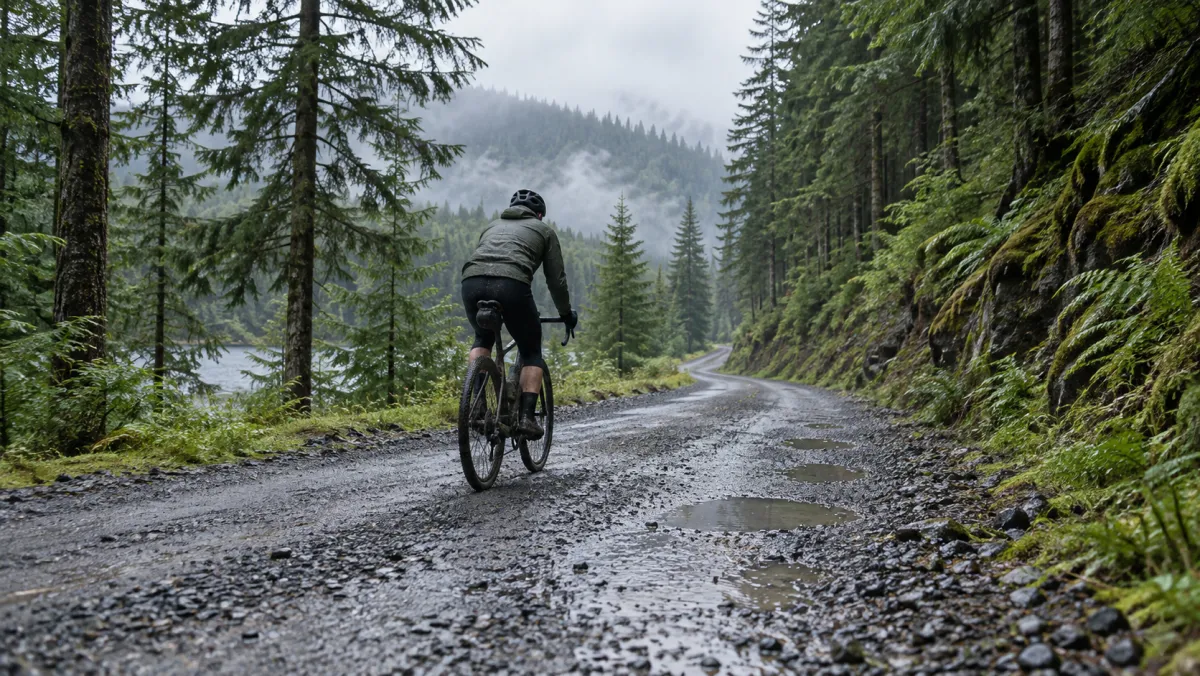
Whether you're a road cyclist commuting through sleet, a mountain biker chasing muddy winter trails, or a gravel rider grinding through cold rain, winter riding demands closer attention to maintenance.
Road Salt: The Silent Destroyer
Road salt is devastating to bike components. It corrodes metal, attacks bearings, and accelerates chain wear. Road and gravel cyclists who ride on treated roads face the worst of it. Salt spray coats everything from the bottom bracket to the headset.
- Remove salt after riding. Follow the bike maker’s washing instructions, use gentle water flow where permitted, and dry the bike. Avoid pressure-washing bearings, seals, and electrical connections. FOX’s cleaning guidance also explains why gentle washing matters around suspension seals.
- Check lubrication after wet rides. Clean, dry, and replenish according to your lubricant’s instructions; keep lubricant away from brake surfaces.
- Check bearings more often. Check for corrosion, roughness, and play.
Cold Weather Effects
Cold temperatures affect bikes in ways many riders don't consider:
- 1. Suspension oil thickens. Cold damper oil becomes more viscous, making suspension feel harsher. The effect depends on the oil, temperature, and suspension setup.
- 2. Check suspension behavior. Temperature can affect seal and lubricant behavior. Investigate persistent leaks or loss of damping and follow the manufacturer’s operating limits.
- 3. Recheck tire pressure outdoors. Pressure can fall as a tire cools. Use a suitable pressure for the tire, rim, load, and conditions within the manufacturers’ limits.
- 4. Check sealant temperature limits. Formulas differ. Verify cold-weather suitability and remaining liquid before relying on puncture protection.
Indoor Trainer Wear
Indoor riding has different maintenance needs from outdoor riding. Many direct-drive trainers use a separate cassette or compatible drive interface, while wheel-on trainers load the rear tire. Both use the chain during pedaling. Follow trainer compatibility and maintenance instructions, and wipe sweat from the bike to limit corrosion.
Keep indoor rides assigned to the correct bike or trainer setup. Trail Hits® can include indoor ride history, but that is not a complete measurement of trainer or component wear. Inspect a wheel-on trainer’s rear tire separately.
The Winter Bike Strategy
Many cyclists keep a dedicated winter bike: an older frame with cheaper components that can take the abuse. Whether you run one bike year-round or swap between a summer and winter setup, tracking components on each bike independently is important.
Trail Hits® keeps your bikes’ ride and service records together. Track your race bike, winter beater, gravel bike, and trainer bike all in one place. Select the applicable ride conditions yourself and review service reminders. GPS does not measure salt exposure or cold-related wear, and the scores do not replace inspection.
Spring Checklist
After a winter of hard riding, these items deserve inspection before spring:
- Chain wear (check with chain checker tool)
- Brake pads and rotors
- Bottom bracket and headset bearings
- Tire condition and tubeless sealant
- Suspension service (especially after muddy/wet winter)
- Cable and housing condition (rust, stiffness)
Keep Track of Winter Maintenance
Record winter rides, select their conditions, and keep cleaning and service history close at hand.
Get Started Free