MTB Drivetrain Wear: Why Trail Conditions Matter More Than Miles
A muddy ride can cause significantly more drivetrain wear than the same distance in dry conditions. Here’s how to use riding conditions alongside regular drivetrain inspections.
Updated September 13, 2026
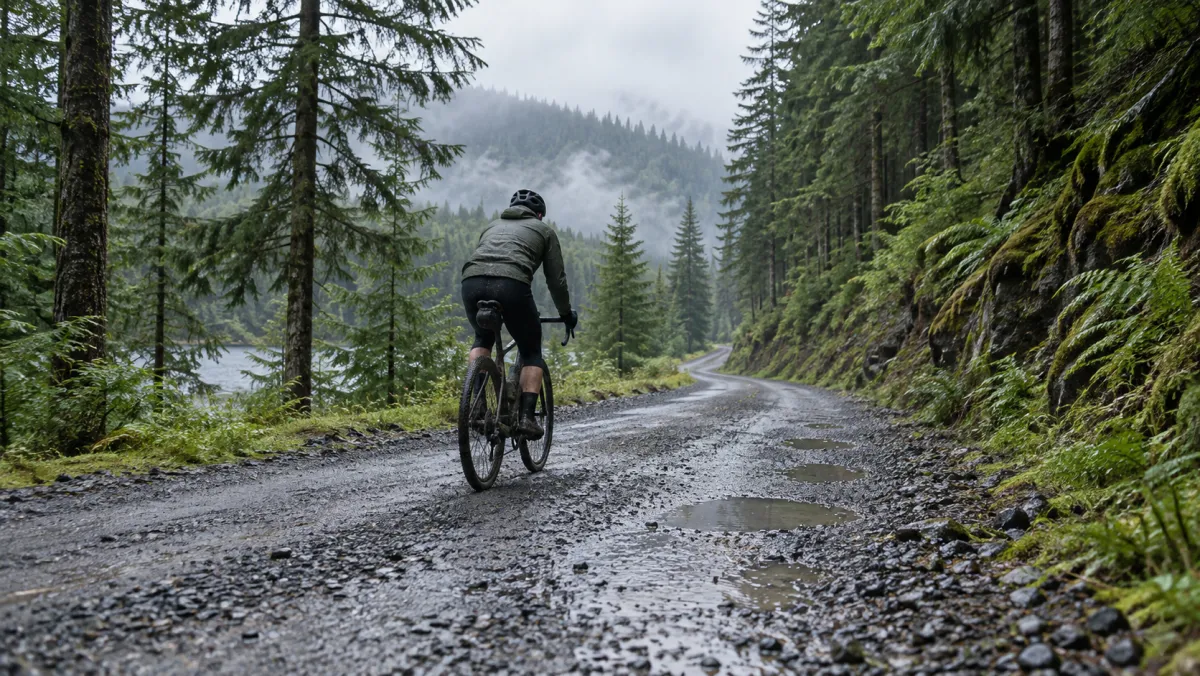
Same Trail, Different Day, Different Wear
You ride the same loop every week. Same distance. Same climbs. But after a rainstorm, that familiar loop becomes a completely different maintenance event. Mud packs into your cassette, grit embeds in your chain, and water washes away lubricant. That can change your cleaning and inspection needs even though the mileage is unchanged.
Mileage is useful, but conditions, lubrication, and measured chain wear help explain what that mileage means for your drivetrain.
What Conditions Tell You
Use these conditions as prompts for inspection and care, not fixed ratios of physical wear:
There is no universal wet- or mud-wear multiplier. Zero Friction Cycling’s lubricant testing measures wear with contamination under controlled conditions; those results do not establish a fixed multiplier for every trail ride.
How Each Condition Affects Your Drivetrain
Dust can carry abrasive particles into chain joints. Check for contamination and measure wear rather than assuming a dry ride was easy on the drivetrain.
Wet conditions can compromise lubrication and promote corrosion. How quickly this happens depends on the lubricant, exposure, and care after the ride.
Mud combines water and abrasive contamination. Clean accumulated mud from the drivetrain and replenish lubricant according to its instructions; check persistent shifting problems rather than attributing them only to dirt.
Beyond the Chain: Full Drivetrain Impact
Conditions don't just wear your chain. They affect your entire drivetrain:
- Cassette: Grit between chain and cogs accelerates tooth wear. A worn chain on dirty cogs compounds the problem.
- Chainring: Same abrasive effect, plus mud buildup affects shifting and chain retention.
- Derailleur pulleys: Inspect pulley teeth and bearings or bushings for damage, contamination, and excess play.
- Bottom bracket: Check for roughness and play, and avoid directing high-pressure water at seals.
Condition-Aware Tracking
Trail Hits® lets you tag trail conditions on every ride: dry, damp, wet, or mud. Each condition applies a multiplier to your component wear calculations. The resulting score is an estimate based on ride data and your inputs, not a measurement of chain elongation. Conditions are selected by the rider; GPS does not identify mud or lubricant condition.
Combined with descent-weighted strain tracking, this adds context to your service history. Different components respond differently to conditions, and physical inspection remains necessary.
Flat-Top Does Not Mean Maintenance-Free
SRAM’s Eagle Transmission uses T-Type Flattop chains; legacy Eagle uses a different chain family. Choose a chain for your actual drivetrain, not by its outline or a “12-speed” label alone. Our SRAM chain comparison explains the differences, model-specific e-bike approval, and replacement guidance.
Transmission is designed to work under load, but grit, poor lubrication, damage, and incorrect setup still affect performance. Follow SRAM’s current Transmission inspection and replacement procedure, including the Service Matrix when shifting or skipping problems persist. A strain score cannot identify which part needs replacing.
Track Conditions Alongside Miles
Record your riding conditions and service history, then use chain checks to confirm when replacement is needed.
Get Started Free